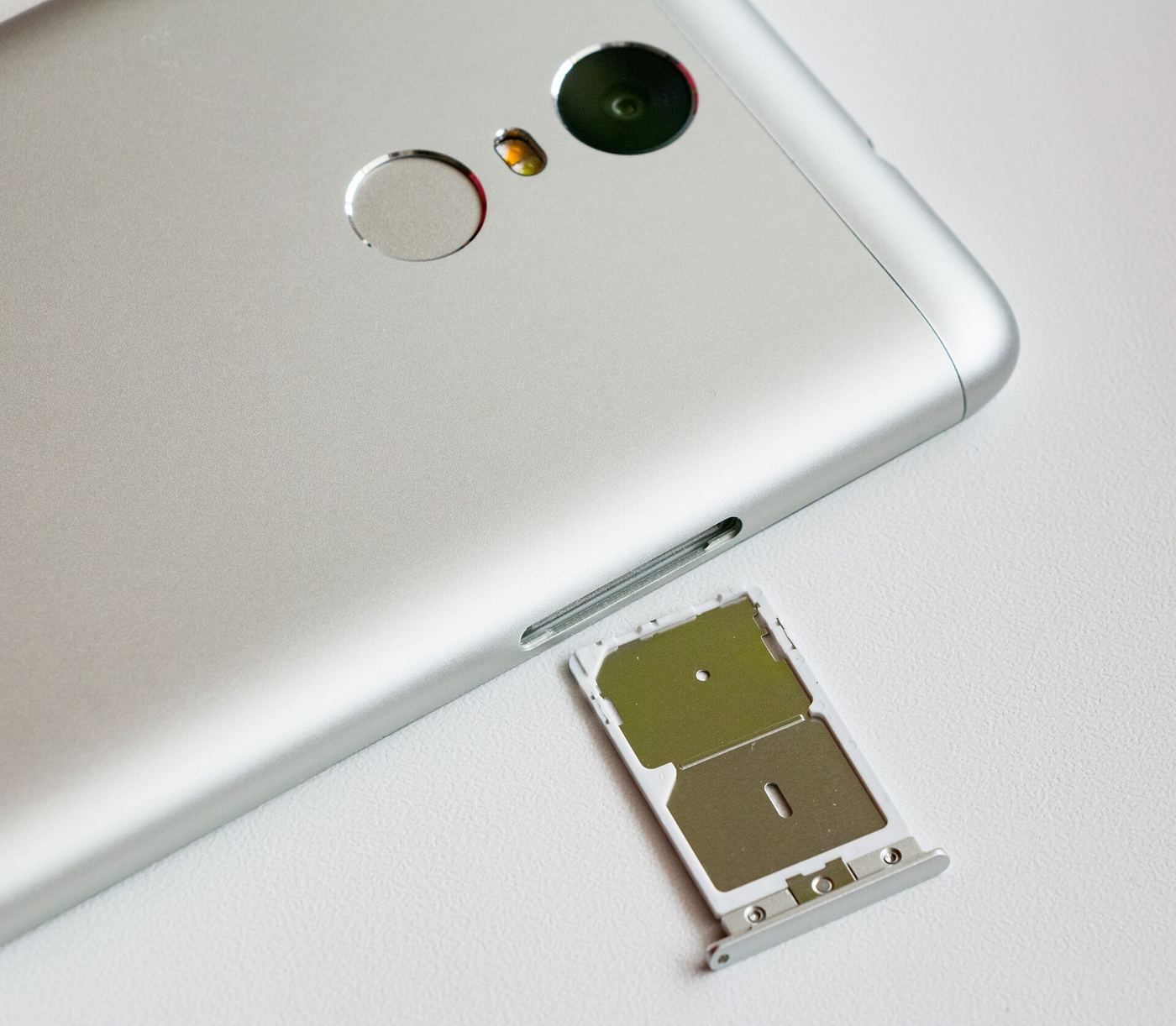
Losing a phone is annoying for most people, but for cryptocurrency holders it can be devastating, since the wallet on the device may be the only key to funds that no bank can restore. Wallet makers are now adding recovery tools designed for exactly this moment, including encrypted cloud backups and social recovery, where a group of trusted contacts can approve restoring access to a new device. The aim is to keep the security that makes crypto attractive while removing the single point of failure that has cost many users their savings. Early versions were aimed at enthusiasts comfortable with long seed phrases, but the new tools are deliberately simpler, aimed at ordinary users who may never have written down a recovery phrase. Consumer advocates say the change is overdue, since surveys repeatedly find that lost access, rather than theft, is one of the most common ways people lose cryptocurrency.
What the Evidence Shows
Social recovery works by splitting trust: no single guardian can restore a wallet alone, and a threshold of approvals is needed before access moves to a new phone. That design protects against one untrustworthy contact, but experts warn users to choose guardians carefully and to test the recovery process before they actually need it. Encrypted cloud backups carry a different trade-off, since they depend on the strength of the account password protecting them. Regulators are watching how these tools develop, and some are asking wallet makers to explain the risks in plain language rather than technical jargon. The advice from specialists is consistent: set up recovery now, while the phone is in your hand, because after it is lost is exactly the wrong time to discover the backup was never enabled. Reporting and analysis from sources such as IEEE Spectrum track the same developments, and specialists following the crypto wallet recovery tool say the direction is now consistent across independent lines of evidence.
The Wider Context
Adoption of the crypto wallet recovery tool follows a familiar pattern with an unfamiliar speed. Early users tolerate rough edges in exchange for advantage, mainstream users arrive when the tool disappears into existing workflows, and the market consolidates around whoever made that transition feel effortless. Vendors are racing less on raw performance now than on integration, support and trust.
What Happens Next
The realistic forecast for the crypto wallet recovery tool is steady integration rather than sudden replacement: embedded in products people already use, improving in increments, and regulated in proportion to its reach. The companies and institutions that plan on that basis, training staff and redesigning processes instead of chasing launches, are the ones the adoption data tends to vindicate. You can follow related developments in our coverage of technology.
It is also worth remembering how quickly the picture in this area has changed before. Positions that looked settled a few years ago have been revised as new data arrived, and the same humility is appropriate now. The strongest coverage of this subject, and the most useful advice, tends to come from sources that update their views openly when the facts move, rather than defending an earlier position long after it has stopped fitting the evidence available.