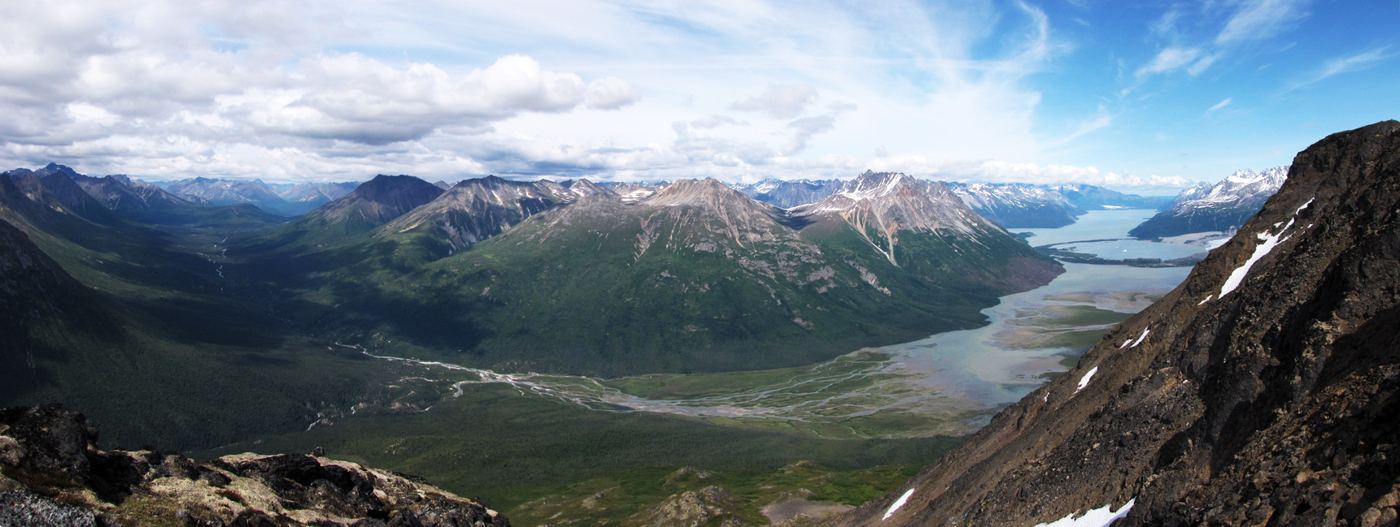
Walkers returning to famous glacier valleys after a decade away often describe the same surprise: the ice that once reached the trailhead now lies far up the mountain, and a new lake fills the space it left behind. Retreating glaciers are redrawing alpine geography within a human lifetime, exposing bare rock, loose moraine and young slopes that plants colonise only slowly. Park managers must move paths, bridges and viewpoints as the ground itself changes, and routes that crossed firm ice for generations may no longer be safe. The transformation is scenic, drawing visitors to new turquoise lakes, but it also demands constant practical adjustment in busy mountain regions. Visitor centres increasingly build the change into their exhibits, using dated photographs at viewpoints so tourists can compare the ice their grandparents saw with today’s scene.
What the Evidence Shows
Geologists say freshly exposed glacier valleys are valuable natural laboratories, showing in fast motion processes that usually take centuries. They track how meltwater cuts new channels, how sediment from unstable slopes clouds lakes, and how the first mosses, shrubs and insects arrive on new ground. That research also serves safety: loose slopes above trails and lakes can fail without warning, so monitoring helps managers decide where to reroute paths or restrict access. For local guides and rescue teams, local knowledge must be refreshed as landmarks disappear. The changing valleys underline that a glacier is not just ice, but an architect of the whole landscape around it. Managers expect the work of adjustment to continue for decades, as long as the ice keeps retreating and the valleys keep becoming somewhere measurably new. Reporting and analysis from sources such as Nature track the same developments, and specialists following landscapes left by retreating glaciers say the direction is now consistent across independent lines of evidence.
The Wider Context
The wider context is a research landscape in which replication and open data now decide reputations. Findings connected to landscapes left by retreating glaciers are being checked by independent groups with shared datasets, and the teams involved publish their methods in full so rivals can test every step. That discipline is slower than a headline cycle, but it is why results in this area increasingly survive first contact with scrutiny.
What Happens Next
What happens next in the story of landscapes left by retreating glaciers will be decided by follow-up work already under way: larger samples, longer observation and instruments that have not yet come online. The researchers involved are unusually united on one point, that the current results justify the next investment of time and money. Readers will not have to wait long for the first tests of that claim. You can follow related developments in our coverage of science.
None of this will be settled by a single announcement, study or product launch. The pattern to watch is accumulation: independent confirmations, honest reporting of failures and steady improvement in the underlying numbers. Readers who follow those signals, rather than the loudest claim of the week, will understand this subject better than most of the commentary surrounding it suggests is possible.