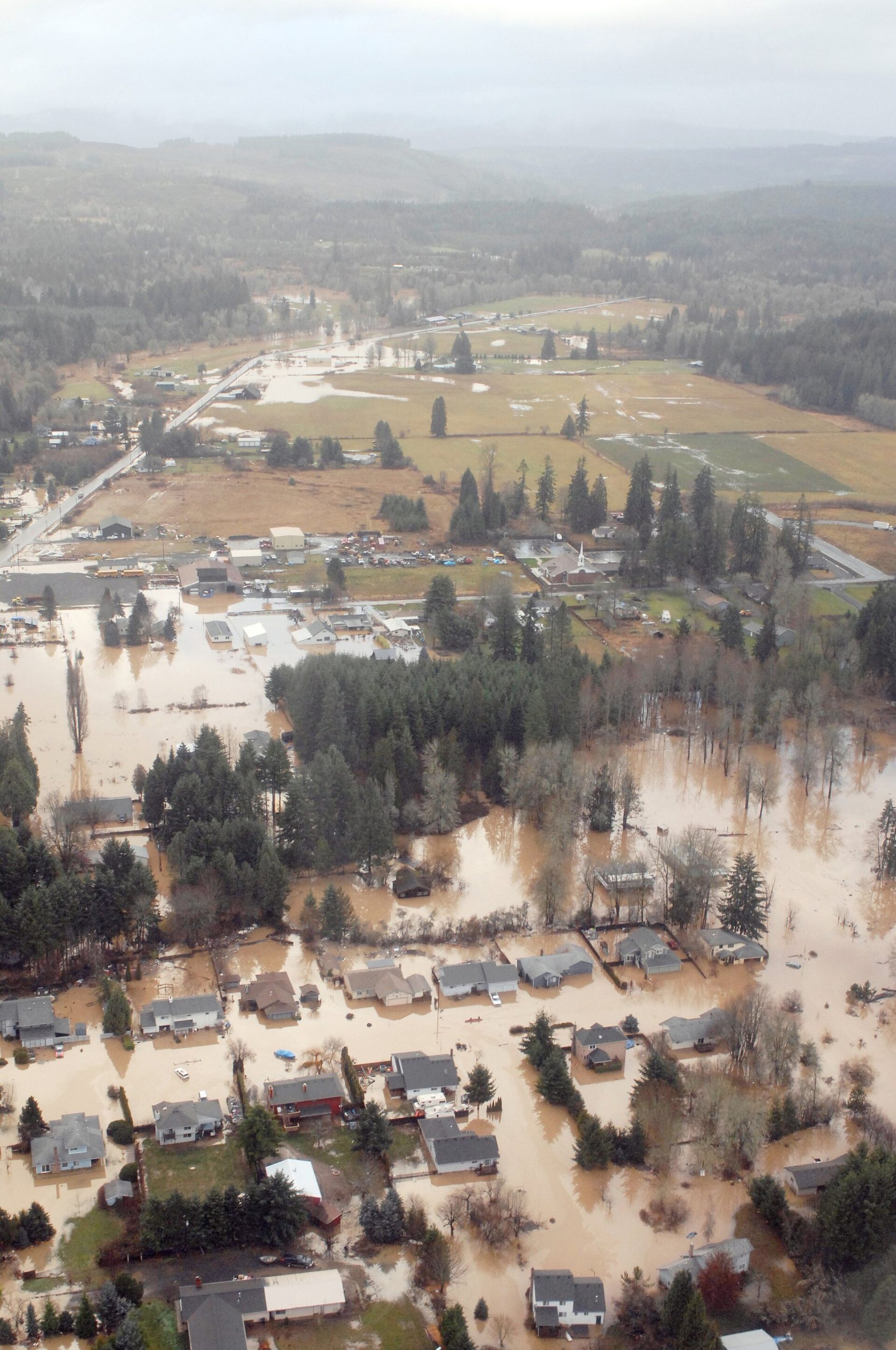
For generations, living by the sea meant accepting the occasional storm as part of the bargain. That bargain is now being rewritten by insurance companies. In coastal towns across several countries, homeowners are opening renewal letters to find sharply higher premiums, new exclusions for flood damage, or, in some cases, no offer of cover at all. What was once a private contract between a household and an insurer is becoming a public question about which places remain viable.
The retreat is rarely announced as such. Insurers describe it as repricing risk, and actuaries point to heavier rainfall, higher seas and costlier rebuilding as reasons the old premiums no longer add up. Reporting on the shifting climate risks facing communities is tracked closely by BBC coverage of science and the environment, while residents experience the change more simply: a mortgage that depends on insurance they can no longer obtain. More local reporting is available from our homepage.
Why insurers are pulling back
Insurance works by spreading risk widely enough that no single event overwhelms the pool. Climate change strains that logic in two ways. First, losses in exposed areas are becoming more frequent, so claims arrive before premiums can rebuild reserves. Second, similar risks are becoming correlated: a single storm can damage thousands of homes in the same postcode at once. When both trends coincide, raising prices may not be enough, and some firms conclude that certain risks are, at current prices, simply uninsurable.
Reinsurance, the insurance that insurers themselves buy, has also become more expensive, and those costs flow downhill to households. The International Monetary Fund’s work on climate change has repeatedly warned that financial protection gaps widen fastest in the places least able to afford them. That warning now applies not only to developing economies but also to affluent coastal suburbs where property values were built on an assumption of permanent insurability.
What exposure means on the ground
For a household, losing cover is not an abstract inconvenience. Lenders usually require buildings insurance, so an uninsurable home can become unsellable to anyone who needs a mortgage. Rents can rise as landlords pass on costs, and small businesses, from cafes to boatyards, face higher overheads precisely when storms already disrupt trade. Councils, meanwhile, must decide whether to invest scarce funds in sea walls and drainage or accept that some streets will flood more often.
The burden falls unevenly. Wealthier owners can pay higher premiums, raise floor levels or add flood doors. Lower-income households, older residents and renters often have fewer options, even though they may have lived in an area for decades. Community groups warn that without a plan, managed decline happens by default: young families leave, services thin out, and the tax base that might have funded defences shrinks with each departure.
Defend, adapt or retreat
Policy responses tend to fall into three camps. Defending a town means building higher walls, restoring dunes and marshes, and improving warning systems, all of which cost money but protect existing investment. Adapting means accepting more water and designing for it, with resilient ground floors, raised electrics and streets that drain safely. Retreating, the most politically difficult option, means helping people move from the most exposed locations before a disaster forces the decision in worse circumstances.
Most places will need a mixture of all three, sequenced honestly and funded over decades rather than electoral cycles. What specialists stress is that insurance prices, however painful, are carrying information. Suppressing them without reducing the underlying risk merely hides the bill until the next flood presents it in full. The towns that fare best are likely to be those that read the signal early and argue openly about what to protect, what to change and what to let go.
For now, the letters keep arriving at renewal time, each one a small, private notice of a much larger shift. Coastal towns built their futures on the assumption that the sea could be kept at a respectful distance and that risk could always be sold on to someone else. Both assumptions are weakening, and the conversation about what replaces them has only just begun.